As February 2026 begins, talk of possible $2,000 direct deposits is once again spreading rapidly across social media and online discussions in the United States. For families dealing with high grocery bills, rent increases, medical costs, and insurance expenses, the idea of extra money arriving in a bank account feels like real relief. However, the reality behind these $2,000 deposits is more complex than many viral claims suggest.
Why February Often Triggers $2,000 Payment Rumors
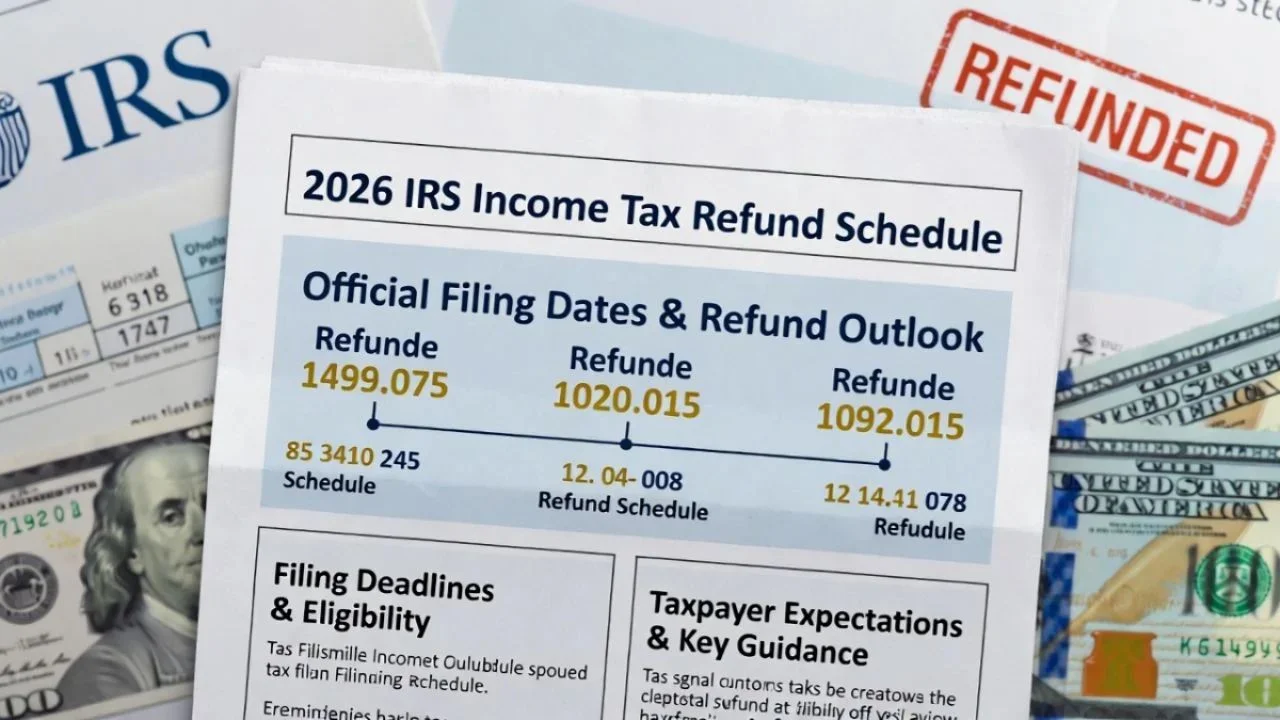
February is one of the busiest months for federal payments. It falls right between two major financial cycles: IRS tax refunds and ongoing federal benefit payments. When these payments arrive close together, the combined amount can look like a single large deposit. This timing is one of the main reasons people believe a special $2,000 payment is being issued.
Many taxpayers who file early receive their tax refunds in February, especially those who use electronic filing and direct deposit. At the same time, Social Security, SSI, SSDI, and Veterans Affairs benefits continue on their regular schedules. When these deposits overlap, account balances can increase quickly, sometimes by amounts close to or above $2,000.

Common Sources of February Deposits Near $2,000
The most frequent reason people see deposits near $2,000 is an IRS tax refund. Refund amounts depend on income, filing status, tax withholding, and refundable credits. Credits such as the Earned Income Tax Credit can significantly boost refunds for low- and moderate-income workers. The Child Tax Credit can also add substantial amounts for families with qualifying children.
Federal benefits also play a major role. Monthly Social Security retirement payments, disability benefits, SSI, SSDI, and VA benefits vary by individual, but many recipients receive well over $1,000 per month. In some cases, benefits alone come close to $2,000 without any tax refund involved.
Why Not Everyone Receives $2,000
Not all households will see deposits near $2,000. Refunds and benefits are calculated using strict formulas based on income, work history, family size, and eligibility rules. In addition, some refunds may be reduced due to offsets for unpaid taxes, child support, or other federal debts.
Another factor is timing. Returns that include certain credits, such as the Earned Income Tax Credit, are legally delayed until mid-February. Once released, these refunds may arrive suddenly, creating the impression of a new payment even though they follow existing rules.
Avoiding Misinformation and Scams
Whenever payment rumors spread, scams often appear. Fraudsters may promise guaranteed payments or ask for personal details to “release” funds. Federal agencies never ask for sensitive information through unsolicited messages. The safest way to confirm payment details is through official IRS and Social Security resources.
The Reality of February 2026 Payments
February 2026 does not include a newly approved nationwide stimulus payment. Deposits near $2,000 are the result of regular tax refunds and benefit schedules. Understanding this helps households set realistic expectations and avoid disappointment.
यह भी पढ़े:
 Social Security Spousal Benefits 2026: New Rules, Eligibility, Payment Amounts & How to Claim
Disclaimer
This article is for informational purposes only and does not provide financial, legal, or tax advice. Federal payment amounts, eligibility rules, and timelines depend on official laws and agency regulations and may vary by individual situation. Readers should rely on official IRS, Social Security Administration, Department of Veterans Affairs, or other government sources for accurate and current information.