As January 2026 gets closer, many Americans are once again seeing online claims that a new $2,000 direct deposit has been announced by the government. These posts spread quickly through social media, private messages, and short videos, especially at a time when people are dealing with post-holiday expenses, rising prices, and financial pressure. While the claims sound reassuring, there has been no official announcement of a universal $2,000 payment.
Where the $2,000 Claim Comes From
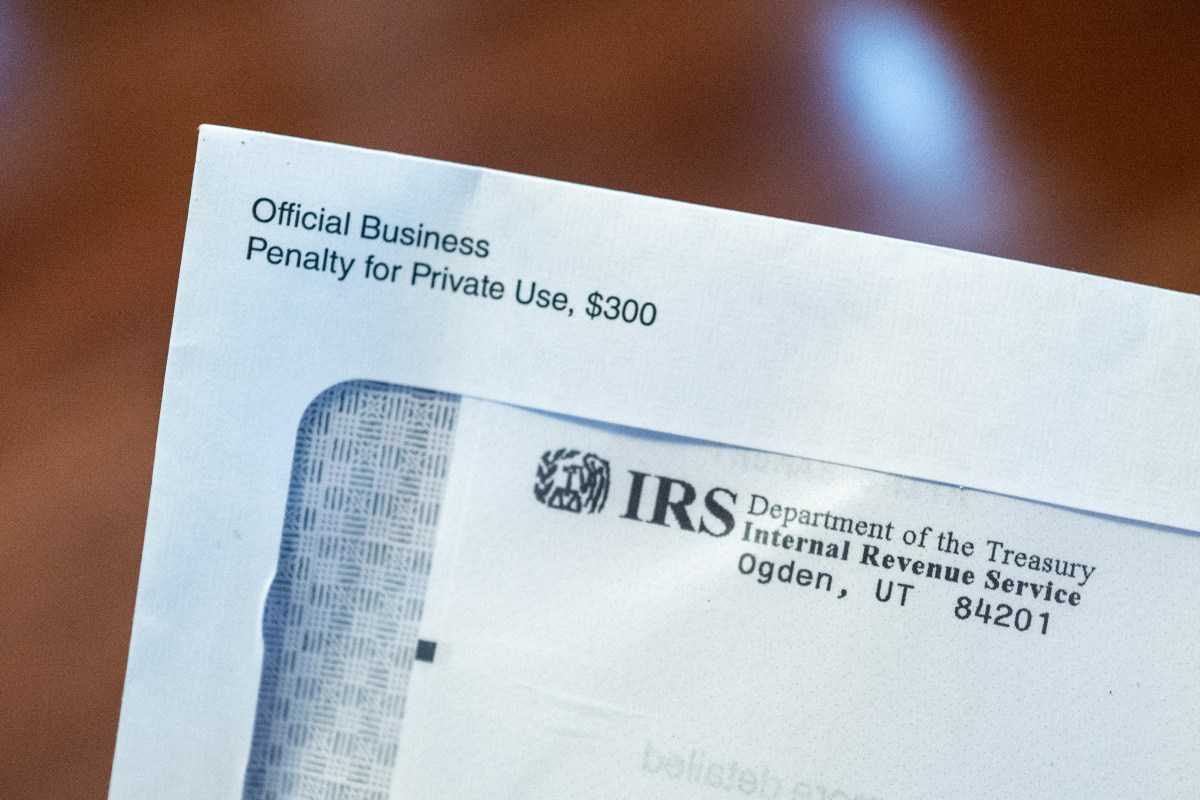
The confusion usually begins every year around the start of tax season. In January, the Internal Revenue Service prepares to open the new filing cycle. Employers finish issuing W-2 forms, payroll records are updated, and IRS systems are tested before returns are accepted. Once filing officially begins, some taxpayers who file early and choose direct deposit receive refunds quickly.
When several people receive refunds around the same time and share screenshots showing amounts close to $2,000, those images spread fast online. Without proper context, individual tax refunds are mistaken for a coordinated government payment, even though each refund is calculated separately.

Why Many Refunds Appear Near $2,000
There is no fixed refund amount written into tax law. Refunds depend on income, tax withholding, credits, and family size. Many salaried workers slightly overpay taxes throughout the year. When that overpayment is combined with refundable tax credits, the final refund often ends up close to $2,000. This amount is common, but it is not guaranteed and not the same for everyone.
No New Stimulus Approved for January 2026
Unlike the stimulus payments issued during earlier national emergencies, current refunds are not emergency relief payments. Those past programs required approval from Congress and were clearly announced in advance. As of January 2026, no law has been passed and no payment program has been announced that would authorize a new $2,000 direct deposit for everyone.
Who Gets Refunds Faster and Who Waits
Early refunds usually go to people with simple tax returns, steady income, and no major changes during the year. Selecting electronic filing and direct deposit also speeds up the process. In contrast, self-employed workers, gig workers, or taxpayers whose returns require extra checks may wait longer for their money.

Why Relying on Rumors Can Be Risky
Financial experts warn against planning bills or expenses around money that has not been officially confirmed. Waiting for a payment that was never promised can lead to missed rent, late fees, or additional debt. Refund timing depends entirely on when a return is filed, accepted, and processed.
The Reality of January 2026 Payments
There is no IRS-approved $2,000 direct deposit program for January 2026. Any money people receive during this period comes only from normal tax refunds. Checking official IRS updates is the best way to avoid confusion and misinformation during tax season.
Disclaimer: This article is for informational purposes only and does not provide legal, tax, or financial advice. As of January 2026, no universal $2,000 IRS direct deposit or stimulus payment has been approved or announced. Refund amounts and timelines depend on individual tax circumstances and IRS processing. Readers should consult official IRS sources or a qualified tax professional for personal guidance.