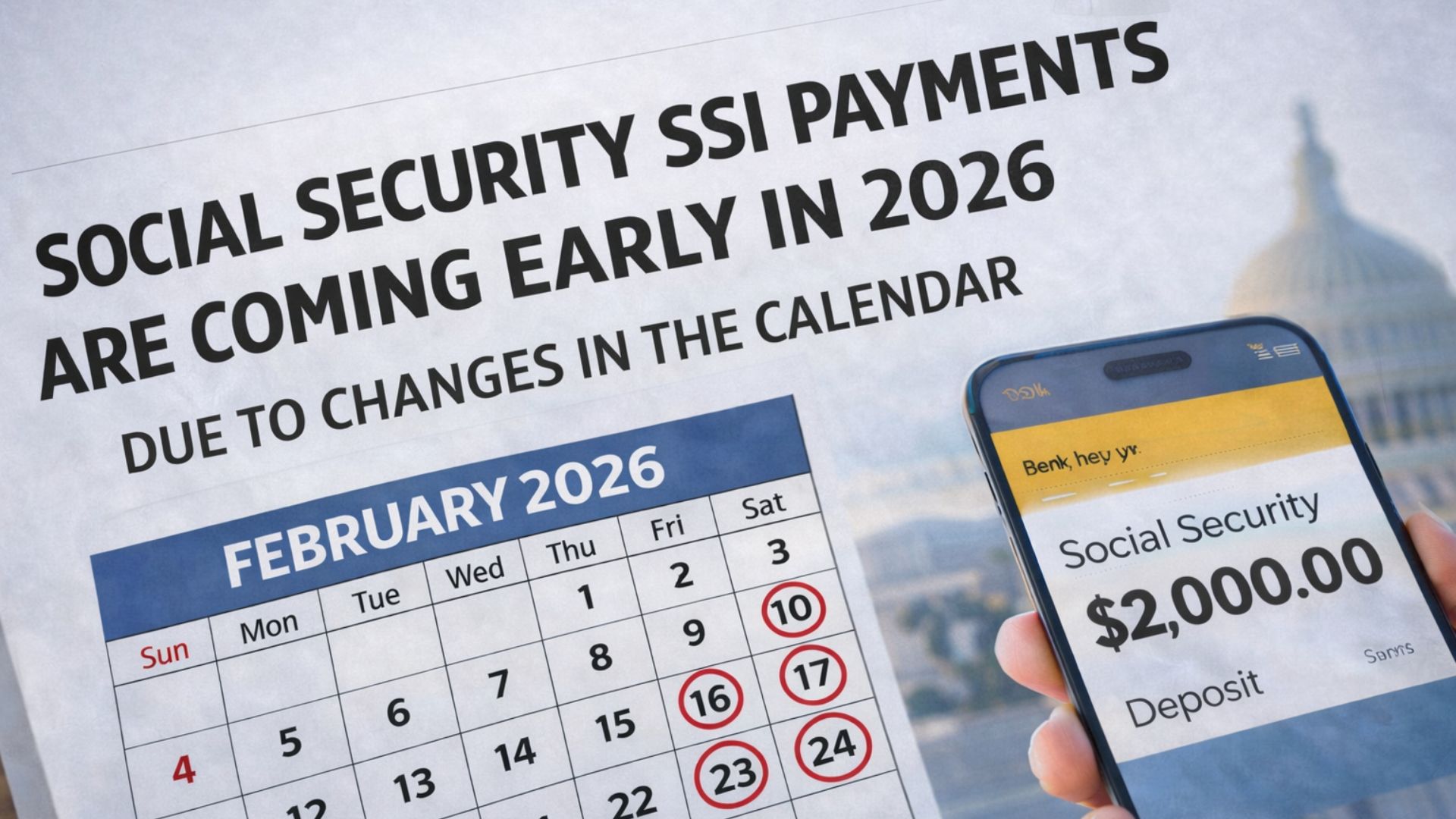
The 2026 tax filing season is shaping up to be more structured and time-sensitive than in previous years. According to the Internal Revenue Service, a stricter calendar will guide how returns are processed, how refunds are released, and how delays are handled. While this may seem like a technical change, it has a real impact on household finances. In 2026, when you file your tax return can be just as important as how accurately you file it.
Why Refund Timing Matters More in 2026
For many Americans, tax refunds are not extra spending money. They are often built into monthly budgets and used to pay rent, clear credit card debt, repair vehicles, or manage seasonal expenses. Under the 2026 rules, the IRS has clearly stated that refund timing depends heavily on filing method and submission date. Early filers are more likely to receive refunds quickly, while late filers may face extended waiting periods.
The 2026 Tax Filing Calendar Explained
The tax filing season will open in late January, with the final deadline set for mid-April. The IRS has emphasized that flexibility for late filing will be limited. Filing close to the deadline leaves very little time to correct mistakes, respond to IRS notices, or complete identity verification. As the deadline approaches, even small issues can result in major delays.

Early Filing vs Late Filing Outcomes
Refunds in 2026 will continue to be issued in processing waves. Taxpayers who file early, use electronic filing, and choose direct deposit are more likely to receive refunds within a few weeks. In contrast, returns filed later or those requiring additional review may not be processed until late spring or early summer. This creates a noticeable gap between early planners and last-minute filers.
Financial Risks of Waiting Too Long
Filing close to the April deadline increases financial risk. Missing forms, data entry errors, or routine verification checks can slow processing significantly. If taxes are owed, penalties and interest can start accumulating quickly. With a tighter calendar in 2026, there is less room to resolve problems without financial consequences.
How Filing Early Reduces Stress
Late winter is already a financially demanding period for many households. Knowing when a refund will arrive can ease stress and improve budgeting decisions. Filing early places a return closer to the front of the processing line, increasing the chance of faster access to funds. For families recovering from holiday expenses, those extra weeks can make a meaningful difference.

Final Thoughts on the 2026 Tax Season
The 2026 IRS tax calendar plays a bigger role in financial planning than in previous years. Understanding the schedule and acting early allows taxpayers to stay in control, reduce delays, and avoid unnecessary stress. In 2026, preparation is no longer optional but essential.
Disclaimer
This article is for informational purposes only. Tax filing dates, refund timelines, and IRS procedures may change based on official updates. Readers should verify details directly with the Internal Revenue Service or consult a qualified tax professional before making financial decisions.